Health and Safety Policy for Man With Van Shepherds Bush
 At Man With Van Shepherds Bush, health and safety is a core part of every move we carry out. We are committed to protecting our team, our customers, and the public by reducing risks during lifting, loading, transport, and unloading. This policy sets out the standards expected on every job and applies to all moving activities, whether the task involves a single item or a full property relocation. Our approach is based on careful planning, safe handling, and consistent supervision.
We recognise that moving work can involve hazards such as manual handling strain, slips, trips, falls, damaged goods, unstable loads, and vehicle-related risks. To manage these hazards, Man and Van Shepherds Bush follows a structured process that identifies risks before work begins and adapts controls to suit the job. Everyone involved is expected to act responsibly, remain alert, and report unsafe conditions immediately. Safety is not treated as an extra step; it is built into the service from start to finish.
 This policy supports a safe working culture by making sure that tasks are only carried out when equipment, vehicles, and working conditions are suitable. We aim to prevent injury, property damage, and avoidable disruption through a combination of staff awareness, proper preparation, and practical control measures. The standards below apply equally to all employees, contractors, and any person assisting with a move under the direction of Man With Van Shepherds Bush.
Risk assessment and planning are essential before any move. The team reviews access points, item size and weight, stairways, parking arrangements, weather conditions, and any fragile or awkward objects. If a load is too heavy, too unstable, or too hazardous to move safely, the task is adjusted or postponed until the risk is reduced. Where needed, additional help or specialist equipment is arranged so that the move can be completed without unnecessary strain. Good planning prevents rushed decisions and supports a safer outcome for everyone involved.
Manual handling is one of the most important areas of control. Staff are trained to use correct lifting techniques, keep loads close to the body, bend at the knees, and avoid twisting while carrying items. Team lifts are used for large, bulky, or awkward goods. We encourage regular breaks during longer jobs and require workers to stop if they feel pain, fatigue, or loss of control over a load. Customers are also asked not to interfere with lifting unless they have been asked to assist and understand the task.
Vehicles, tools, and loading equipment must be kept in safe working order. Before each journey, the van is checked for tyre condition, lights, fuel, load security, and any visible defects. Straps, blankets, dollies, trolleys, and ramps are inspected before use and replaced if worn or damaged. Safe loading is as important as safe driving, so items are secured to prevent movement during transit. Loads are arranged to maintain balance and reduce the risk of shifting, collapse, or damage while the vehicle is in motion.
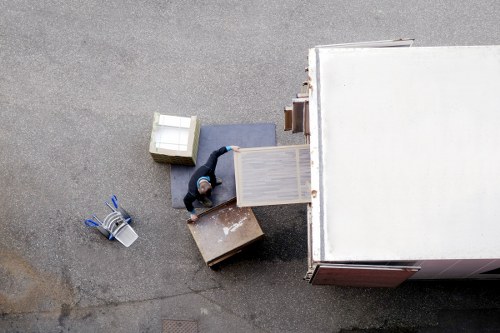 During work at a property, safe access and housekeeping are essential. Walkways should be kept clear of boxes, packaging, cables, and loose materials. Floors must be checked for wet patches, uneven surfaces, or anything that could cause a slip or trip. Doors should be opened fully where possible, and lighting should be adequate in stairs, corridors, and storage areas. If the environment becomes unsafe due to weather, poor access, or obstruction, the work is paused until the hazard is controlled.
Communication plays a major role in preventing accidents. Team members must use clear instructions, confirm who is leading each lift, and make sure that everyone understands when to move, stop, or set an item down. Customers are kept informed of any safety concerns that affect the timing or handling of the move. When children, pets, or other members of the public are present, additional care is taken to prevent accidental contact with moving equipment, heavy objects, or reversing vehicles. Calm, simple communication reduces confusion and helps the operation stay controlled.
All staff are expected to wear suitable clothing and personal protective equipment when needed. This may include gloves, safety footwear, high-visibility clothing, or grip aids depending on the task. Clothing must allow free movement and should not create a snagging hazard. Any injury, near miss, equipment fault, or unsafe condition must be reported promptly so that action can be taken. Reporting matters because it helps Man With Van Shepherds Bush learn from incidents and prevent similar problems in future jobs.
Training and supervision support every part of this policy. Staff are instructed in safe lifting, load securing, vehicle checks, and hazard awareness. New workers are supervised until they can demonstrate that they understand the required standards. Training is refreshed when procedures change or when an incident shows that improvement is needed. We also encourage all personnel to speak up if they are uncertain about a task, as no one should feel pressured to continue with work they believe is unsafe.
Emergency readiness is another important element of our approach. In the event of an accident, injury, vehicle breakdown, or hazardous spill, work stops immediately and the situation is assessed. First aid is provided where appropriate, and emergency services are contacted if required. The area is made safe, and the incident is recorded for review. This clear response helps reduce harm and ensures that lessons can be learned from serious or minor events alike.
 We also take care to protect customer property throughout the moving process. Fragile items are wrapped, stacked, and separated carefully; furniture is padded to prevent scratches; and appliances are handled according to safe lifting and transport principles. We do not force items through spaces that are too tight or attempt unsafe shortcuts. If a route is unsuitable, an alternative method is chosen. This measured approach protects both people and belongings while maintaining a professional standard of work.
Review and continuous improvement are part of maintaining a strong safety culture. This policy is checked regularly to make sure it remains effective, practical, and suitable for the work we perform. Feedback from safety inspections, near misses, and completed jobs is used to improve procedures and reduce risk. Where required, equipment is upgraded, methods are refined, and staff receive additional instruction. The goal is to keep Man With Van Shepherds Bush reliable, safe, and well organised on every assignment.
 Ultimately, health and safety is a shared responsibility. By planning carefully, lifting correctly, communicating clearly, and using equipment properly, we reduce the chance of accidents and ensure a safer moving experience. Man and Van Shepherds Bush expects everyone involved to support this policy and follow its principles at all times. Safe working protects people, property, and service quality, and it remains central to everything we do.